Seine
The Seine River flows through Paris as the silent, indifferent witness to the pivotal event that shatters Jean-Baptiste Clamence's complacent self-image and sets him on the path to becoming a judge-penitent. It is on the Pont des Arts, a bridge spanning the Seine, that Clamence hears a mysterious laugh that first cracks his edifice of virtue, and it is on the Pont Royal, another Seine crossing, that he fails to rescue a drowning woman, an act of omission that becomes the unhealable wound of his life. The river thus becomes the geographical anchor of his guilt, its waters carrying the cry of his victim across time and space until it confronts him again on the open ocean.
The Scene of the Crime: The Pont Royal and the Drowning
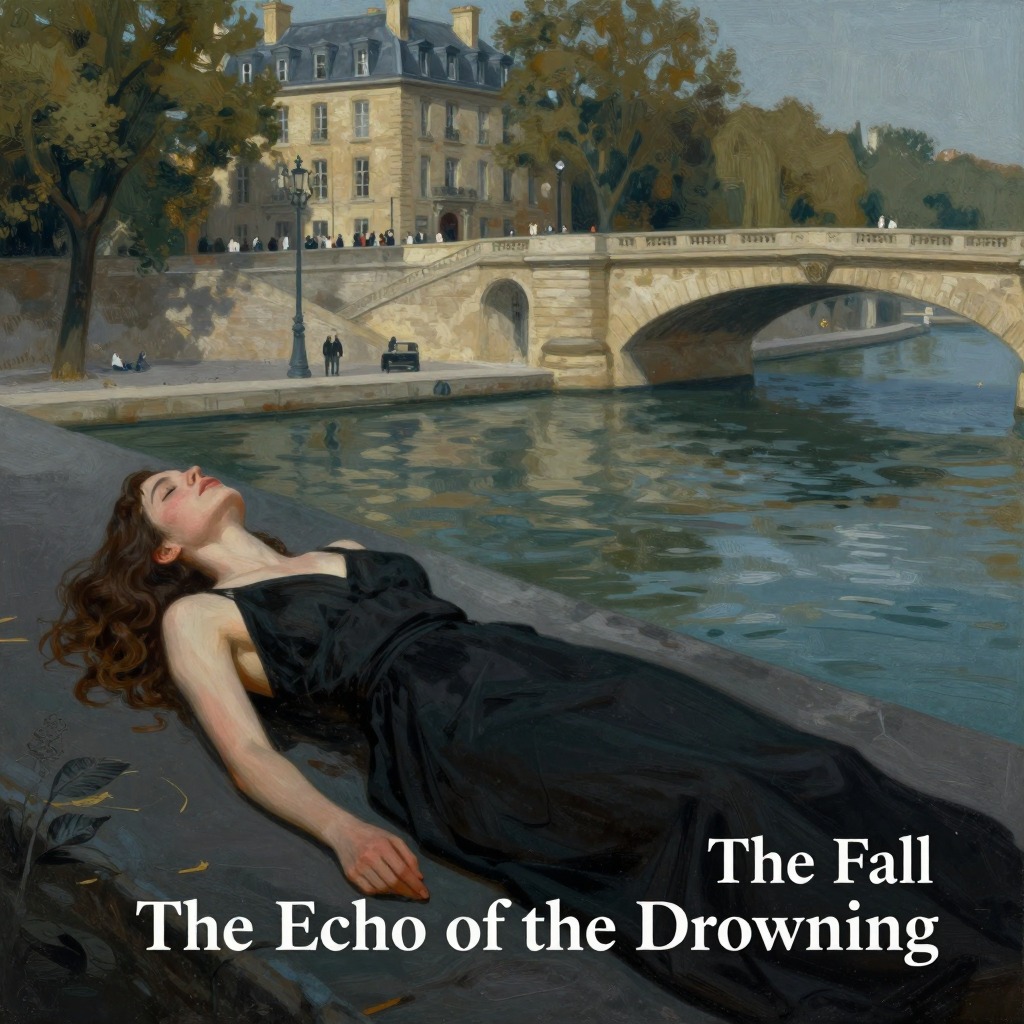
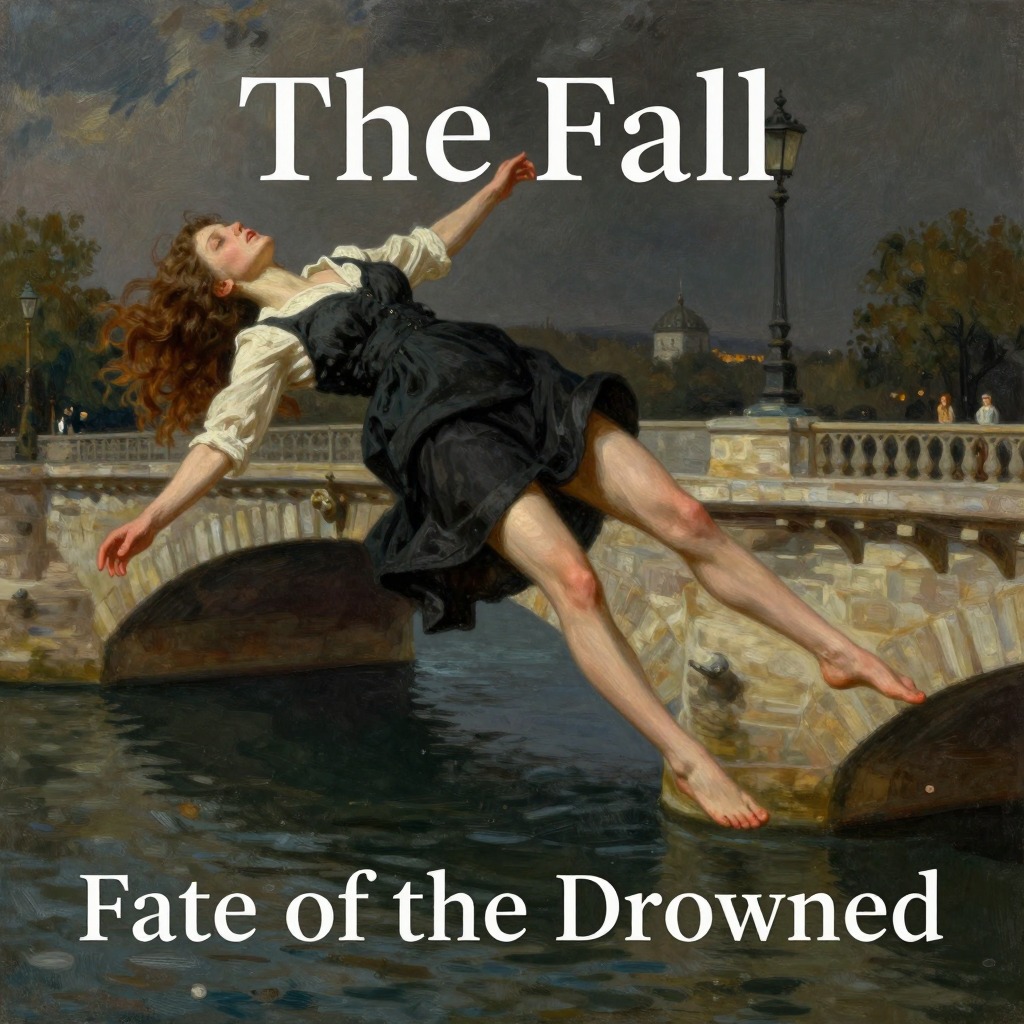
On a November night two or three years before the laugh on the Pont des Arts, Clamence is returning home across the Pont Royal after leaving a mistress. A fine drizzle is falling, and he passes a slim young woman dressed in black, leaning over the railing and staring at the river. Her cool, damp neck stirs him, but he hesitates and continues on his way toward Saint-Michel. After he has gone some fifty yards, he hears the sound of a body striking the water—dreadfully loud in the midnight silence—followed by a cry repeated several times that goes downstream before suddenly ceasing. Clamence stops but does not turn around. He tells himself he must be quick, yet feels an irresistible weakness. He stands motionless, listening, then slowly walks away under the rain. He informs no one. The next day and the days following, he does not read the papers. This failure to act, this refusal to even look back, becomes the secret crime that undermines his entire self-conception as a defender of widows and orphans.
The River as Haunting Presence: The Laugh and the Cry
The Seine is also the setting for the first crack in Clamence's self-assurance. On a fine autumn evening, walking up the quays of the Left Bank toward the Pont des Arts, he feels a vast sense of power and completion. As he straightens up to light a cigarette of satisfaction, a laugh bursts out behind him. He wheels around but finds no one. The laugh seems to come from nowhere, perhaps from the water itself. This inexplicable laugh, which he later recognizes as the echo of his own guilt, drives him from the Paris quays. He ceases to walk along them; when he rides in a car or bus along the Seine, a sort of silence descends on him, and he waits, but nothing happens. The river has become a place of dread, a reminder of the cry he ignored.
The Cry's Journey: From the Seine to the Ocean
The cry of the drowning woman does not remain confined to the Seine. Years later, aboard an ocean liner, Clamence perceives a black speck on the steel-gray ocean and immediately thinks of a drowning person. He realizes then that the cry which had sounded over the Seine behind him years before had never ceased. Carried by the river to the waters of the Channel, it traveled throughout the world, across the limitless expanse of the ocean, and waited for him until the day he encountered it. He understands that it will continue to await him on seas and rivers everywhere, wherever lies the bitter water of his baptism. The Seine thus becomes the source of a global haunting, its waters merging with all waters to form an immense holy-water fount from which he can never escape.
The Seine as a Symbol of Moral Geography
Clamence's relationship with the Seine is part of a broader symbolic geography. He prefers heights—bus terraces, open carriages, the top deck of boats, mountain passes—and loathes depths: coalbins, ships' holds, undergrounds, grottoes, pits. The Seine, with its bridges and quays, occupies a middle ground that becomes the site of his fall. The river's flow, its dark waters, and the cries that rise from it represent the moral depths he cannot dominate. In his final confession, he imagines the lawyer he is addressing also having an experience on the quays of the Seine, and he utters the words that have echoed through his nights: "O young woman, throw yourself into the water again so that I may a second time have the chance of saving both of us!" The Seine thus becomes the eternal stage for a missed opportunity for redemption, a place where the possibility of saving another—and oneself—is forever lost.
The Seine and the Thematic of Judgment
The Seine, as the site of Clamence's unpunished crime, embodies the theme of judgment without a law. He is haunted not by legal consequences but by the internal judgment of his own conscience, which he tries to evade by becoming a judge-penitent. The river's waters, which carry the cry of the drowned woman, are the bitter water of his baptism—a baptism not into grace but into guilt. The Seine thus functions as a natural symbol of the inescapable moral accountability that Clamence spends his life trying to dodge, a reminder that the Last Judgment takes place every day, and that the cry of the victim never ceases to call for a response that was never given.